Figuring out how to make ends meet can be tough, and the Department of Children and Families (DCF) Food Assistance Program, often called food stamps, is there to help families get food on the table. But what exactly can you buy with those benefits? There’s a long list of foods that are allowed, like fruits, vegetables, meats, and grains. However, some things are a little less clear. A common question is: Is gum considered an expense for the DCF Food Assistance Program? Let’s dive in and find out.
Direct Answer: Gum and Food Assistance
So, the big question: No, generally, gum is not considered an eligible expense under the DCF Food Assistance Program. The program is designed to help people buy food, and while gum is something you can eat, it’s not really seen as a necessary part of a balanced diet like groceries.
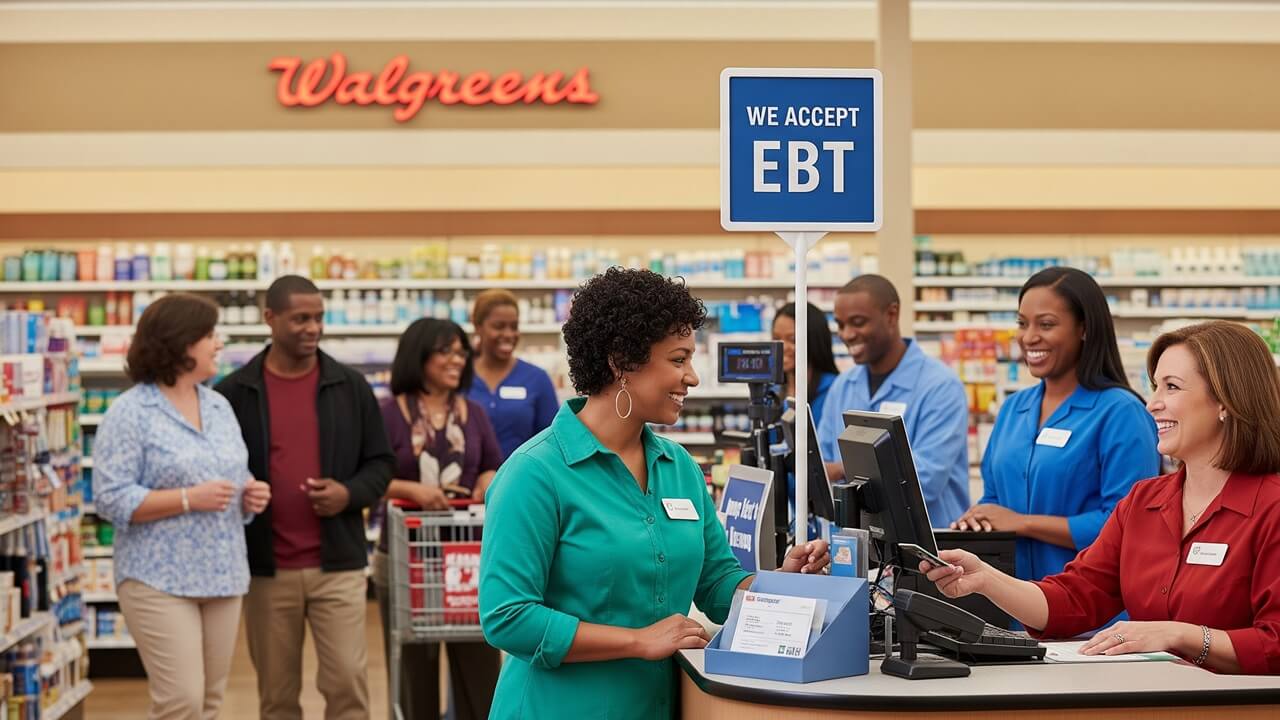
What “Food” Actually Means
When we think about food stamps, we usually think about things that fill you up and give you the nutrients your body needs. The DCF, just like the federal government’s SNAP program (Supplemental Nutrition Assistance Program), has rules about what you can and can’t buy. Basically, the rules focus on nutritious foods. This is why you can buy fresh produce, dairy, and meats, but certain non-food items are off-limits.
Consider what the primary purpose of food assistance is. It’s designed to ensure people have access to the basic necessities of life, starting with adequate nutrition. Foods that are not essential parts of a nutritious diet don’t qualify. These rules make sure that the program is efficient and helps those most in need.
This is why understanding the regulations helps beneficiaries make informed decisions. Using food assistance benefits wisely ensures you have the resources for essential food items. Remember, the goal is to provide nourishment and support healthy eating habits, which gum does not satisfy.
The program emphasizes essential food items, prioritizing nutritional value. Therefore, non-essential items like gum don’t meet the criteria.
Items That Are Usually Allowed
If you’re new to food stamps, it’s important to know what you *can* buy. Generally, you can purchase a wide variety of foods, including all the basics that make up a meal. This includes things like fruits and vegetables, which are super important for your health!
The following items are usually allowed. Here is a quick list to help you remember:
- Fruits (fresh, frozen, canned)
- Vegetables (fresh, frozen, canned)
- Meats, poultry, and fish
- Dairy products (milk, cheese, yogurt)
- Grains (bread, rice, pasta)
- Snack foods (chips, cookies, etc.)
Remember that this is just a general idea. It’s always a good idea to check with the DCF or your local food assistance office for a complete and up-to-date list. Keep in mind that the rules can sometimes change, so staying informed is key. The rules about what food items you can buy ensure a focus on nutritional support for beneficiaries.
If you are buying food items, make sure the item’s primary function is for eating. These rules are designed to support healthy eating practices and provide benefits to essential food needs.
Items That Are NOT Allowed
Now, let’s talk about what you *can’t* buy. There’s a whole category of items that are not allowed, even if they’re in a grocery store. These are items that aren’t considered essential food items, or are things that aren’t food at all.
Here’s a quick rundown of what you can’t buy with food stamps. Note that this is not exhaustive, but gives you the basic idea:
- Alcoholic beverages
- Tobacco products
- Non-food items (like soap, paper towels, and diapers)
- Vitamins and supplements (unless medically prescribed)
- Hot foods prepared to be eaten immediately
You can use food stamps to buy cold sandwiches, but not a hot, prepared meal. The difference is that the prepared meal is a restaurant item, while a cold sandwich is part of a grocery purchase. If you are unsure about any item, it is best to double-check the rules. Food assistance programs are designed to assist with essential food purchases and focus on nutritional needs.
Generally, if the item is not consumed for nutritional value, then it’s typically excluded. Food assistance aims to offer support that directly benefits nutritional needs.
Other Non-Food Purchases to Avoid
Beyond the main categories, there are other things you can’t buy, too. Even some items in the food section of the store are off limits. These are usually things that aren’t directly considered food.
Some items are a little more tricky. These can include:
| Item | Why It’s Not Allowed |
|---|---|
| Pet food | Not for human consumption. |
| Household supplies | Not edible; used for cleaning, etc. |
| Medicine (non-prescription) | Generally considered a healthcare expense. |
If you’re not sure, it’s best to double-check. Check with your local DCF office or the SNAP rules website for more information. Be aware of the rules, because using food stamps correctly helps ensure you keep your benefits. Food assistance programs want to ensure that resources are used effectively to purchase food.
The focus on food items is essential, and it is vital for beneficiaries to understand the limits. Beneficiaries are encouraged to use food assistance to meet basic nutritional needs.
Why Gum Doesn’t Fit the Criteria
So, why no gum? Basically, it comes down to the definition of food. The DCF program wants to help people get food that provides nourishment and is essential for health. Gum, while it can be eaten, doesn’t provide any real nutritional value.
Gum is not a food item that’s considered a necessary part of a balanced diet. It’s more of a treat. This is a key reason it’s not allowed as an expense.
Think of it this way: the program is designed to help people afford the foods they need to stay healthy. That includes things like fruits, vegetables, meat, and grains. Gum, while fun, doesn’t offer those kinds of benefits. The goal of food assistance is to support access to nutritious foods, so the focus is on essential purchases.
The intention is to give assistance where it is most needed, to ensure families can afford the basics. This is why non-essential purchases, like gum, are not covered by food assistance.
Staying Informed and Making Smart Choices
Navigating the DCF Food Assistance Program can be tricky, so it’s important to stay informed. Knowing what you can and can’t buy helps you make smart choices. This ensures you get the most out of your benefits and can provide for yourself and your family.
Knowing these rules helps. It also gives you the ability to budget properly. When you know what is allowed, you can plan better and ensure you are meeting all your food needs. If you have questions, never hesitate to reach out for assistance. You can learn more about making smart choices and the program’s rules to help you budget effectively.
This ensures you’re using your food assistance correctly. The goal is to help you and your family. The main idea is to support healthy eating habits and improve food security for everyone. If you are knowledgeable of the rules, then you can budget effectively.
Understanding the regulations promotes efficient resource management and supports long-term food security. Being aware of these parameters empowers recipients to make well-informed decisions, ensuring benefits are utilized responsibly.
In short, gum isn’t an expense covered by the DCF Food Assistance Program because it’s not seen as an essential food item. The program focuses on helping people buy food that provides nourishment and supports a balanced diet. By understanding these rules, you can use your benefits effectively and make sure you have the food you need.